The Benefits of GoValid Anti-Counterfeit in Preventing the Circulation of Fake Diplomas and Certificates
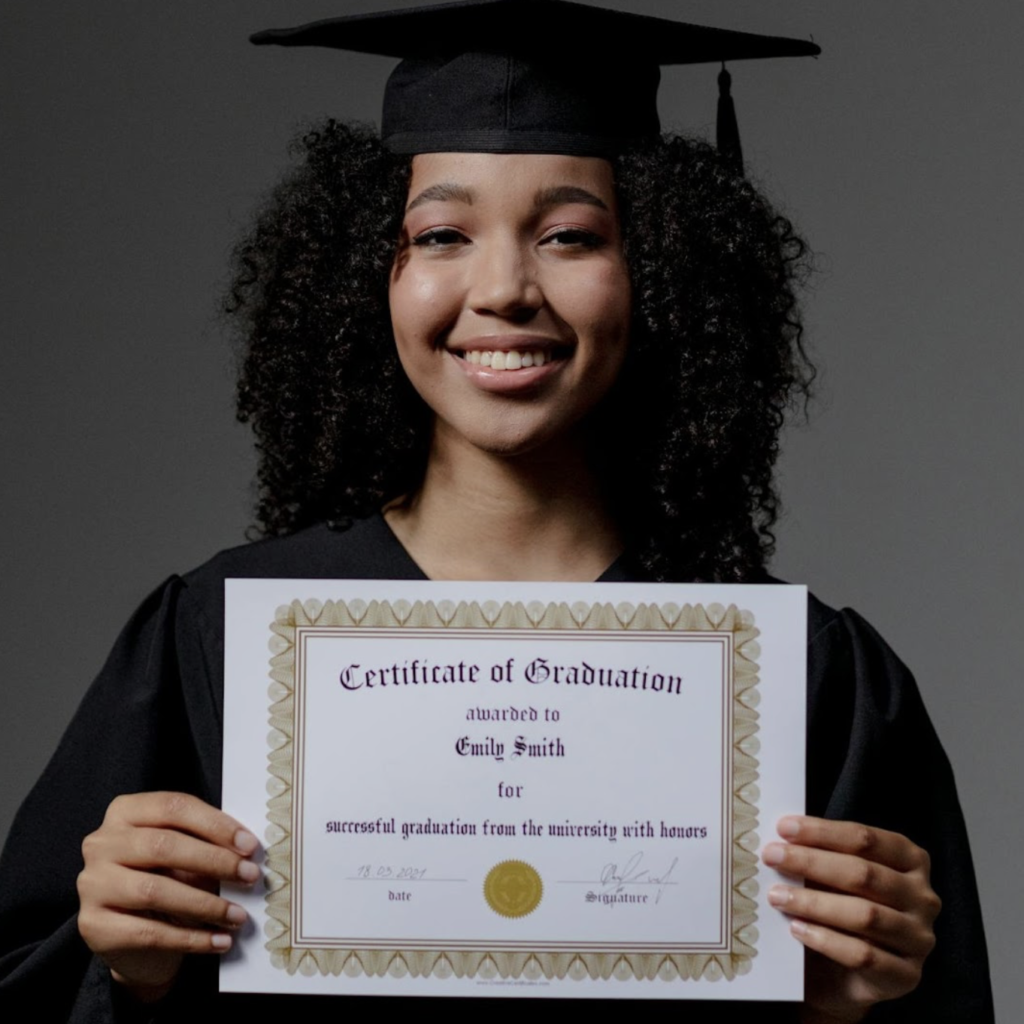
The forgery of diplomas and academic certificates is not a new issue in Indonesia’s education sector. Unfortunately, this practice continues to occur today. Fake diplomas are often used to apply for jobs, pursue further education, or fulfil administrative requirements.
The impact is significant. Educational institutions risk losing credibility, companies may unknowingly recruit unqualified candidates, and the academic system as a whole becomes vulnerable to misuse.
To address this challenge, GoValid’s Anti-Counterfeit system provides a digital verification mechanism capable of detecting indications of diploma forgery through QR code scan pattern analysis. This allows users to check the authenticity of diplomas and certificates quickly and reliably.
A Real-World Scenario
Imagine an authentic diploma issued with a QR code. For several years, the QR code is scanned only occasionally by the diploma holder or by HR departments during job applications. One day, however, the system detects that the same QR code is scanned in Jakarta in the morning, then in Surabaya less than an hour later, followed by scans in several other cities on the same day.
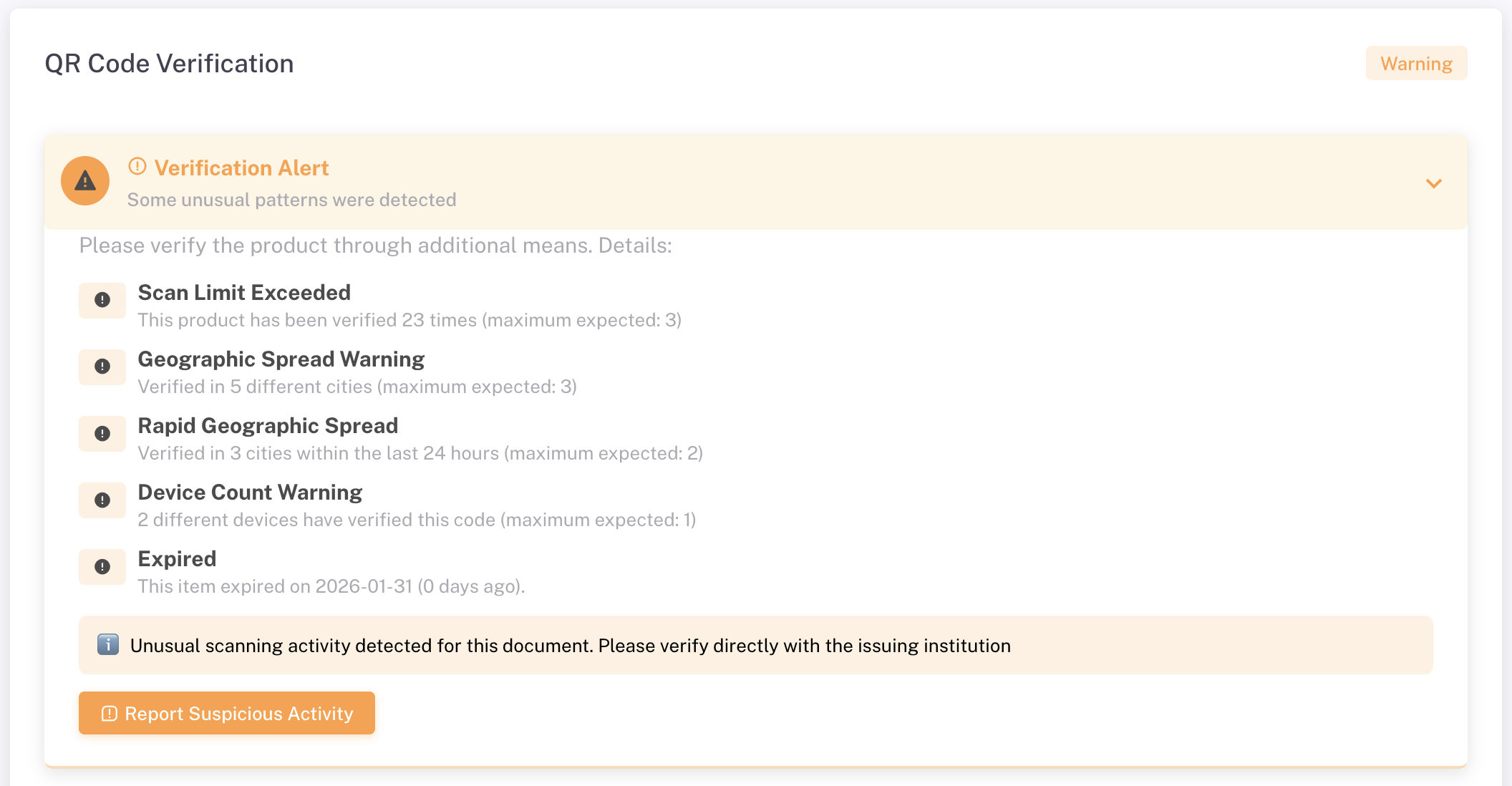
In this situation, the system immediately flags the activity as physically impossible travel. This strongly indicates that the QR code has been copied and reused on counterfeit documents. As a result, the system automatically displays a warning to users scanning the document, such as: “This document is suspected to be invalid. Please contact the issuing university for further verification.”
At the same time, the issuing institution receives a notification from GoValid, allowing it to take action before the forgery causes wider harm.
Benefits for Universities, Diploma Holders, and External Parties
Implementing the Anti-Counterfeit feature on diplomas provides tangible benefits for multiple stakeholders:
For universities: The Anti-Counterfeit feature plays a crucial role in protecting academic authority and institutional reputation. Universities can detect forgery, duplication, or misuse of diplomas at an early stage, supported by verifiable data for administrative follow-up.
For diploma holders: The system offers additional protection by preventing unauthorised use of their academic credentials, including identity fraud or document misuse.
For external parties: HR departments, certification bodies, government agencies, and higher education institutions can verify diplomas easily and instantly by scanning the QR code, simplifying and accelerating verification processes.
Time to Protect Diplomas with Smarter Digital Verification
Forgery of diplomas and certificates can no longer be prevented using handwritten signatures or institutional stamps alone. In the digital era, protection must also be digital—active, adaptive, and verifiable in real time.
With GoValid Anti-Counterfeit, diploma authenticity can be safeguarded continuously, while any misuse can be detected and addressed at an early stage.
Traceability has become a key requirement for entering international coffee markets. Buyers in developed countries increasingly demand guarantees of quality, transparency, and proof that coffee is produced responsibly. The challenge is that many coffee farmers struggle to document and demonstrate this in a structured way. C-TRACE GoValid’s digital traceability system is designed to address this gap.
Through a community-based traceability approach, farmers can accurately and systematically demonstrate the origin and journey of their coffee. For international buyers, the process is simple: they scan a QR code, and all relevant information appears instantly on their mobile screen. Let us explore how C-TRACE helps Indonesian coffee farmers access global markets through a robust and reliable traceability system.
Why Traceability Matters in the Global Coffee Trade
Traceability has now become a mandatory operational standard in global coffee trade. For example, the European Union has introduced the European Union Deforestation Regulation (EUDR), which requires coffee products entering the EU market to prove that they are not sourced from land deforested after December 2020.
Beyond regulation, modern coffee consumers are also becoming more discerning. They want to know where their coffee comes from and how it was harvested, processed, and packaged. Quality assurance is equally important, especially given the prevalence of lower-grade coffee being mixed and sold as premium products.
The Role of C-TRACE in Supporting Coffee Farmers
C-TRACE is GoValid’s Community Traceability system, designed to track product journeys from source to consumer. In the context of coffee, C-TRACE records the entire value chain of coffee beans in a sequential and verifiable manner, from harvest to shipment.
What sets C-TRACE apart is its multi-stakeholder approach, involving farmers, processing operators, roasteries, and distribution partners.
Each stage must be recorded in sequence and cannot be skipped. This core feature ensures transparency and builds consumer trust in product quality. Every step is also supported by photographic evidence to verify its authenticity.
C-TRACE Workflow for Coffee Farmers
Below is an overview of how C-TRACE is used by coffee farmers and their supporting communities:
Batch Grouping Coffee is grouped into specific batches to ensure that processes and quality can be traced precisely without mixing with other batches.
Harvest Recording Farmers record basic harvest information in C-TRACE, including harvest date, volume or weight of coffee cherries, and GPS location of the farm.
Cherry Sorting Quality controllers record cherry selection results and the quality standards applied.
Pulping Selected cherries are processed to remove the outer skin. Operators record the pulping method, date and time, processed volume, and other key details.
Fermentation Fermentation officers record the volume of coffee fermented and the duration of fermentation.
Washing After fermentation, beans are washed. Operators record washing time, method, and bean condition after washing.
Drying Drying methods (sun-drying or mechanical drying), drying duration, and estimated final moisture content are recorded.
Milling Mill operators record the milling date and final output volume.
Quality Inspection Testers record cupping results, quality scores, and detailed flavour and aroma notes.
Packaging Operators record packaging type, weight per package, and packaging date.
Storage & Shipment Warehouse managers record storage location, shipment date, and shipment destination.
How Consumers Access Traceability via QR Code
For international consumers, the process is straightforward. By scanning the QR code on the coffee packaging, they gain access not only to product information, but to the full story behind the coffee.
They can view the number of farmers contributing to a batch, individual farmer names and harvest volumes, interactive maps showing farm locations, and photos from each pre-batch stage.
This transparency reassures consumers that the coffee they purchase comes from real, traceable sources—significantly strengthening trust in the product.
Economic Benefits for Coffee Farmers
By shifting from manual record-keeping to a digital system like C-TRACE GoValid, farmers move from being passive actors in the supply chain to empowered business partners. Key benefits include:
Broader market access: Farmers can sell to importers that require traceability compliance.
Higher selling prices: International specialty coffee markets are willing to pay premiums for products with verified origin data.
Reduced export rejection risk: Early and complete traceability data helps prevent export failures.
Protection from middleman manipulation: Time-stamped digital records provide strong evidence of actual production volumes, reducing risks of price or weight manipulation.
Direct trade opportunities: Traceability enables direct trade between international roasteries and farmer cooperatives, allowing margins to flow back to farmers rather than intermediaries.
Efficiency and long-term evaluation: Digital records allow farmers to assess performance year-to-year, identify effective practices, and continuously improve quality.
Ready to Reach Global Markets with C-TRACE GoValid?
Entering global markets is not only about producing high-quality coffee—it is about proving it. Traceability serves as a critical bridge between local farmers and international buyers.
Through C-TRACE GoValid, coffee farmers can build transparent, credible, and market-ready track records. The system enables farmers not just to sell coffee, but to sell trust. For those seeking to upgrade their position and reach global markets, C-TRACE offers a strategic starting point for that journey.
The cosmetics and skincare industry today faces multiple challenges, including overclaiming, the use of hazardous chemicals, counterfeiting, and illegal cosmetic products. As a result, consumers have become far more selective when choosing products. So how can brands prove that their products are safe and truly match the claims printed on their packaging? QR Timeline by GoValid provides the answer.
QR Timeline is a QR-code-based system used to record and display a product’s history in chronological order. This article explains how QR Timeline helps ensure the authenticity and safety of makeup and skincare products.
Challenges Facing the Indonesian Cosmetics Industry
Indonesia’s cosmetics industry is growing rapidly. Demand is high, and many local brands continue to emerge. However, behind this growth lie several serious risks that both brands and consumers must be aware of.
One of the biggest issues is overclaiming and the use of hazardous ingredients such as mercury. Many products claim to be safe or to contain high concentrations of active ingredients, yet these claims can only be verified through laboratory testing. Unfortunately, consumers cannot realistically test every product before purchasing it.
Cosmetic products are also highly vulnerable to counterfeiting. Counterfeiters can easily replicate packaging, making it difficult for consumers to distinguish genuine products from fake ones. If counterfeit products cause adverse effects, the original brand still risks losing consumer trust—even if it was not directly involved.
For consumers, the consequences are even more serious. Cosmetic products are applied directly to the skin. When products are fake or contain harmful chemicals, the risks extend beyond disappointment to real health and skin problems.
What Is QR Timeline?
QR codes are no longer unfamiliar. Today, they are used everywhere—from digital payments and restaurant menus to product information.
However, QR Timeline by GoValid takes a different approach. It functions like a social media timeline, allowing product owners to continuously add product-related data that is automatically updated by the system.
When consumers scan the QR code on cosmetic packaging, they can view the full product history—from raw materials and production processes to distribution stages and supporting documents such as laboratory test results and BPOM (Indonesia’s National Agency of Drug and Food Control) certificates.
Key Features of GoValid QR Timeline for the Cosmetics Industry
1. Secure Authenticity Verification
Each QR Timeline has a unique code linked directly to a verification system. When scanned, the system confirms that the QR code is genuine, giving consumers confidence that the product is original.
2. Batch-Specific QR Codes
GoValid supports QR codes generated per production batch. This strengthens product security and authenticity management. Once a batch is sold out, its QR code can be deactivated, reducing the risk of QR cloning and misuse by counterfeiters.
3. Transparent Product History
QR Timeline records each critical stage sequentially—from raw material sourcing and production to packaging. This is particularly valuable for transparency. For example, a product claiming to contain organic petal extract can include harvest photos or laboratory analysis certificates in PDF format. Consumers can see tangible proof that claims are valid and not exaggerated.
4. Timestamps and Location Tagging
Every data entry automatically includes a date and time stamp, and locations can be marked on a map. This shows when and where raw materials were processed.
This feature also helps prevent unauthorised distribution, as the product journey can be traced from factory to distributor to retail outlet.
5. Supporting Document Uploads
Brands can attach important documents in one place, such as raw material certificates, laboratory test results, halal certification, and BPOM approval documents.
6. Counterfeit Detection
Every QR scan is automatically recorded in the GoValid system, including scan time and location. This data helps brands monitor product circulation and detect suspicious activity early.
For example, if a single QR code is scanned thousands of times across different locations while sales volumes remain low, this may indicate that the code has been cloned by counterfeiters.
7. Password Protection
Brands can enable password protection so that only authorised users can access information displayed through the scanned QR code.
8. Access Control
Not all information needs to be publicly visible. QR Timeline allows brands to control who can view specific data. For instance, consumers may access basic information such as product name, lab test results, and halal certification, while sensitive documents remain accessible only to internal teams. This prevents misuse of critical documents.
Benefits for Cosmetic Brands and Consumers
Using QR Timeline by GoValid offers advantages for both brands and consumers. For cosmetic brands, QR Timeline helps build trust. With structured and verified records, brands can demonstrate that raw materials and ingredient levels truly match product claims. This also accelerates complaint handling and reduces the risk of full product recalls when issues affect only a specific batch.
Transparency also strengthens brand image as a responsible producer that prioritises consumer safety. From a brand protection perspective, QR Timeline helps minimise counterfeiting risks through systematic authenticity checks.
For consumers, QR Timeline provides reassurance. They can verify product authenticity simply by scanning a QR code and protect themselves from overclaimed products by reviewing verifiable information about raw materials and production processes.
Build Consumer Trust in Cosmetics and Skincare with QR Timeline by GoValid
As consumer awareness of safety and authenticity continues to rise, transparency through QR Timeline is becoming essential. With a secure, verified, and easily accessible record-keeping system, you can prove that your products are original, safe, halal, legal, and aligned with their claims.
QR Timeline by GoValid does not just tell your product’s story—it proves it.
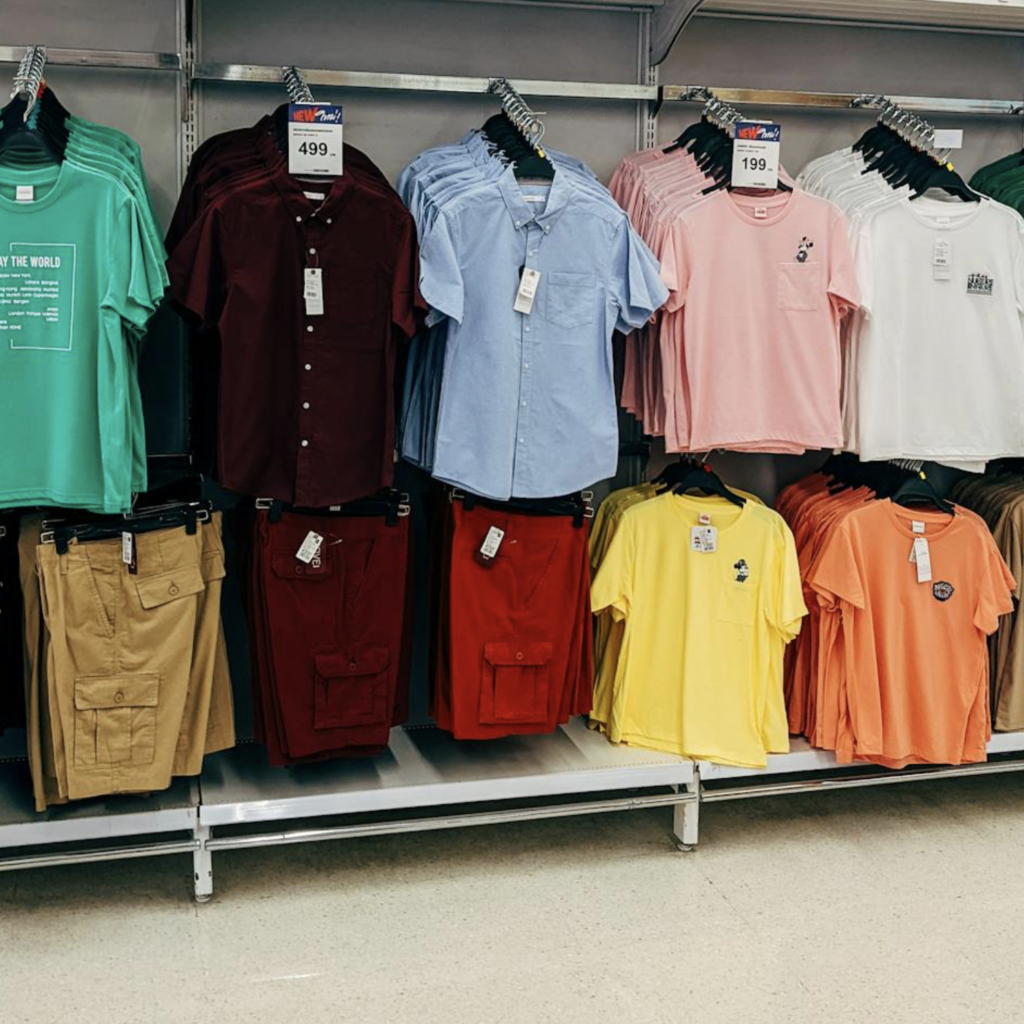
The widespread circulation of counterfeit clothing has become a serious challenge for fashion brands in Indonesia. In many cases, counterfeiting does not happen far from the production process itself. It often originates from the same garment factories where brands legitimately manufacture their products.
The Real Challenge: Why Counterfeit Clothing Is Hard to Control
Clothing is one of the easiest products to counterfeit. Designs can be copied from photos or physical samples, production does not require advanced technology, and raw materials are widely available. Counterfeiters often use cheaper fabrics to reduce costs while maintaining a similar appearance.
Unlike home-based food businesses, clothing production requires industrial equipment such as sewing machines, overlock machines, and fabric cutters. As a result, most brands rely on external garment factories.
This is where misuse can occur. When brands entrust production to third parties, there is always a risk of stock leakage or design theft. For example, leftover fabric that should be discarded may be collected and re-sewn into “high-grade counterfeit” products that closely resemble the originals.
How GoValid Anti-Counterfeit Prevents Counterfeit Products
Counterfeit clothing spreads primarily due to weak control and poor product authentication. Below are key ways GoValid helps fashion brands protect their products:
1. Eliminating Illegal Overproduction
Brands may order 1,000 pieces, but a factory could secretly produce 1,200 pieces using the same materials and quality. The extra 200 items are then sold on the grey market as “original but cheaper” products.
Even if extra garments are produced with identical materials, they will not have valid QR codes. When consumers scan them, they receive a warning indicating that the product is not authentic.
2. Preventing the Sale of Rejected (QC-Failed) Items
Rejected garments that fail quality control are often not destroyed. Instead, they are quietly sold, damaging the brand’s reputation when customers receive low-quality products.
GoValid’s solution: QR codes are applied only to items that pass Quality Control. Any rejected items circulating in the market will lack a valid digital identity. If customers complain, brands can simply ask them to scan the QR code to verify authenticity.
3. Detecting Mass QR Code Duplication
Once counterfeiters know a brand uses QR codes, they may attempt to copy a single valid code and print it on thousands of fake products.
GoValid’s solution: When a unique QR code is scanned repeatedly beyond normal limits, the system automatically flags it as suspicious. Brand owners can immediately deactivate the code and see where it was first scanned, helping identify the source of counterfeiting.
4. Tracking Where Counterfeit Products Circulate
Many fashion brands only realise their products are being counterfeited when similar items flood the market but sales do not increase.
GoValid’s solution: GoValid provides analytics, not just QR codes. Brands can monitor how many codes are printed, how many are scanned, and where scans occur geographically. If a single code is scanned repeatedly in one city, it strongly indicates counterfeit distribution in that area.
5. Buyer-Driven Reporting Feature
This feature turns customers into active participants in brand protection.
GoValid’s solution: When a scan result indicates a counterfeit warning, buyers can submit reports by uploading product photos, store photos, and even payment proof. This effectively creates a nationwide intelligence network powered by real customers.
Do Not Let Counterfeit Products Steal Your Revenue
Counterfeit clothing should not be tolerated. It damages brand reputation, erodes consumer trust, and directly impacts revenue. With GoValid’s Anti-Counterfeit features, brands gain a reliable product authentication system, early counterfeit detection, and actionable insights when QR codes are misused or duplicated.
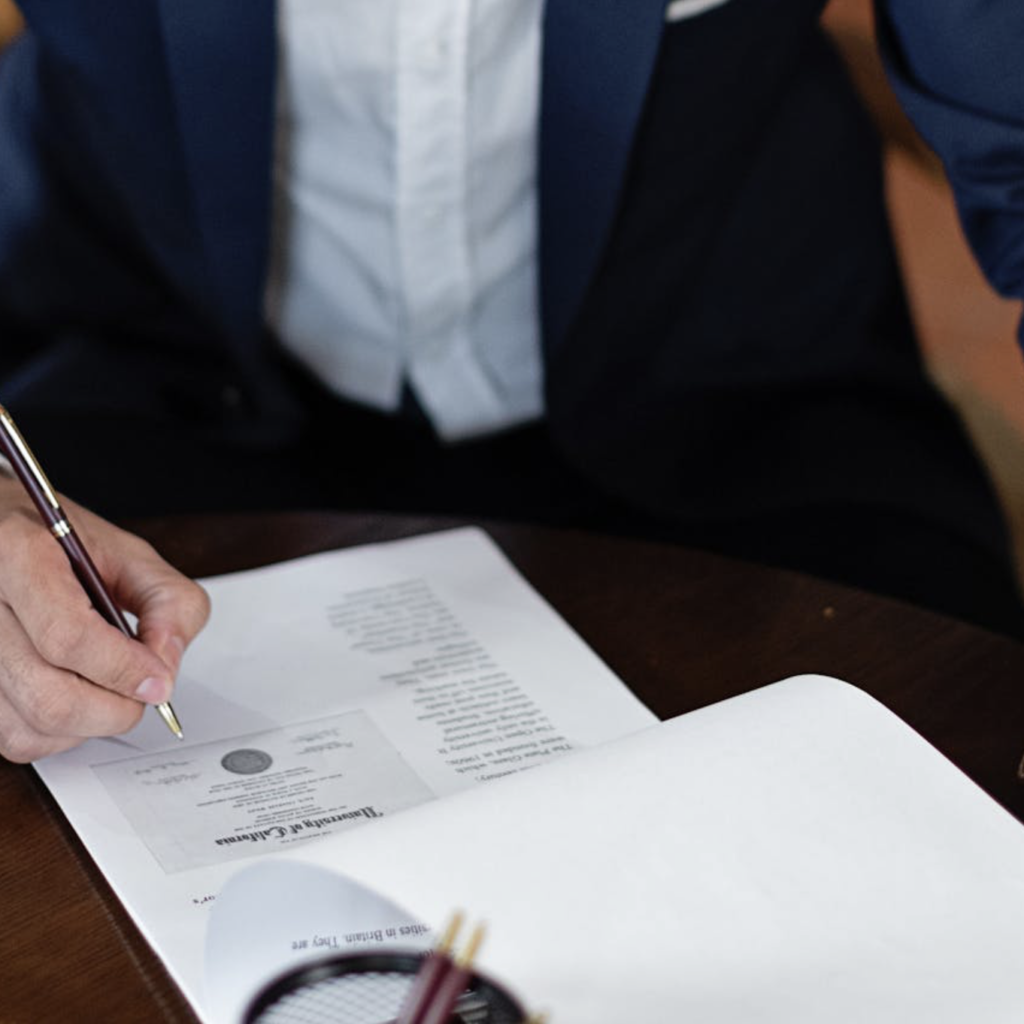
In many universities and training centres, handwritten signatures and stamps are still used as symbols of document validation. Unfortunately, these practices are becoming increasingly vulnerable to forgery. Signatures can be photographed, copied manually or using AI, and reused on other documents without the knowledge of authorised parties.
The consequences go far beyond administrative issues. Forged documents undermine institutional trust, damage reputation, and threaten the credibility of academic records themselves.
For this reason, a more innovative and secure approach is required. One solution is the use of encrypted digital signatures embedded in QR codes (not standard QR codes), protected by GoValid’s Anti-Counterfeit system. Instead of relying on ink signatures, this system allows anyone to verify a document’s status instantly through scanning. Let us explore how it works and why it is significantly safer.
How QR Codes Function as Proof of Authenticity
Encrypted digital signatures embedded in QR codes serve as proof of authenticity by linking documents to verifiable digital records. In this system, documents are no longer signed manually. Instead, they are issued together with a unique QR code.
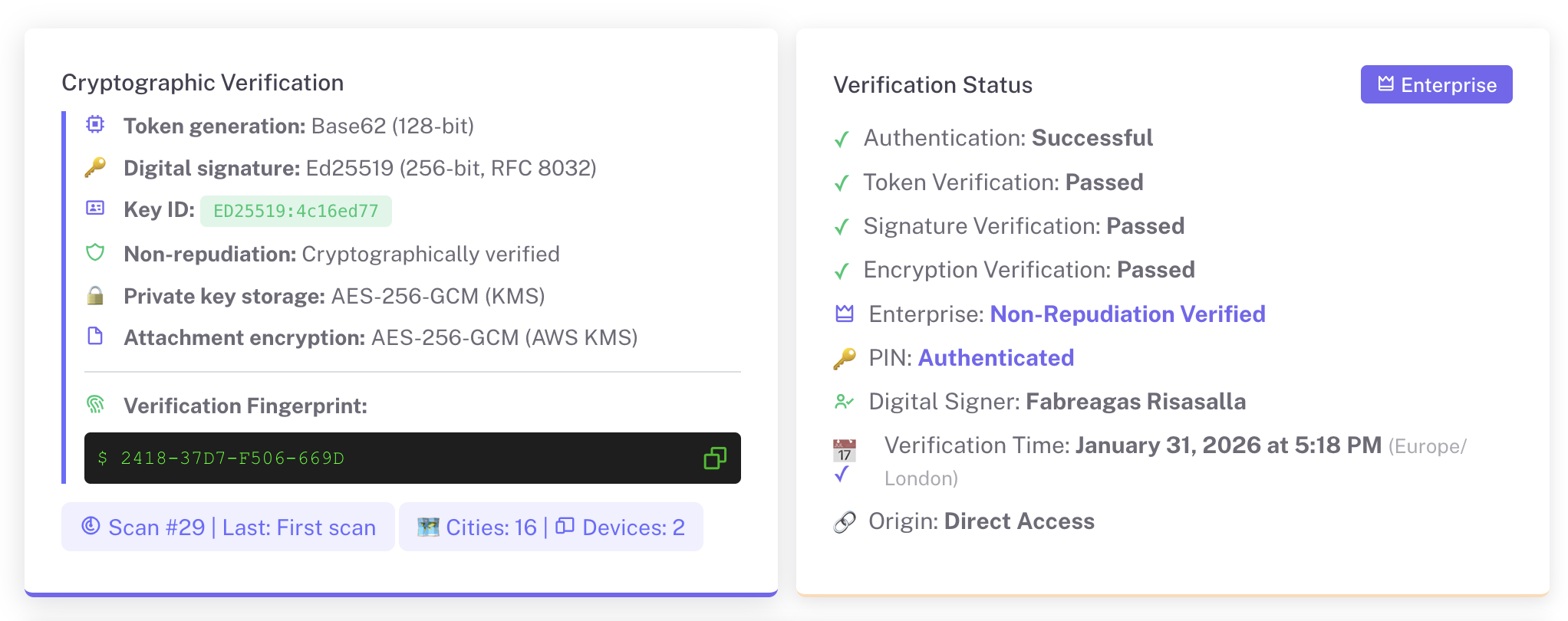
In GoValid, each user is assigned a unique digital key that acts as a personal digital fingerprint and cannot be duplicated. When the QR code is scanned, it directs the user to the official university or institutional server where the original document data is securely stored.
The verification page displays information such as the institution’s name, document number, and issuance date, matching the physical document. If the data aligns, the document is confirmed as valid.
This approach makes document forgery significantly more difficult than traditional handwritten signatures or image-based stamps.
The Role of GoValid Anti-Counterfeit in Detecting Academic Document Fraud
For additional security, GoValid integrates an Anti-Counterfeit feature designed to detect potential document misuse. The system does not simply display valid data—it actively monitors QR code scanning behaviour.
The system analyses whether:
The same QR code is copied and used on multiple documents
There is an unusually high number of scans
Scans occur across multiple locations within a short time frame
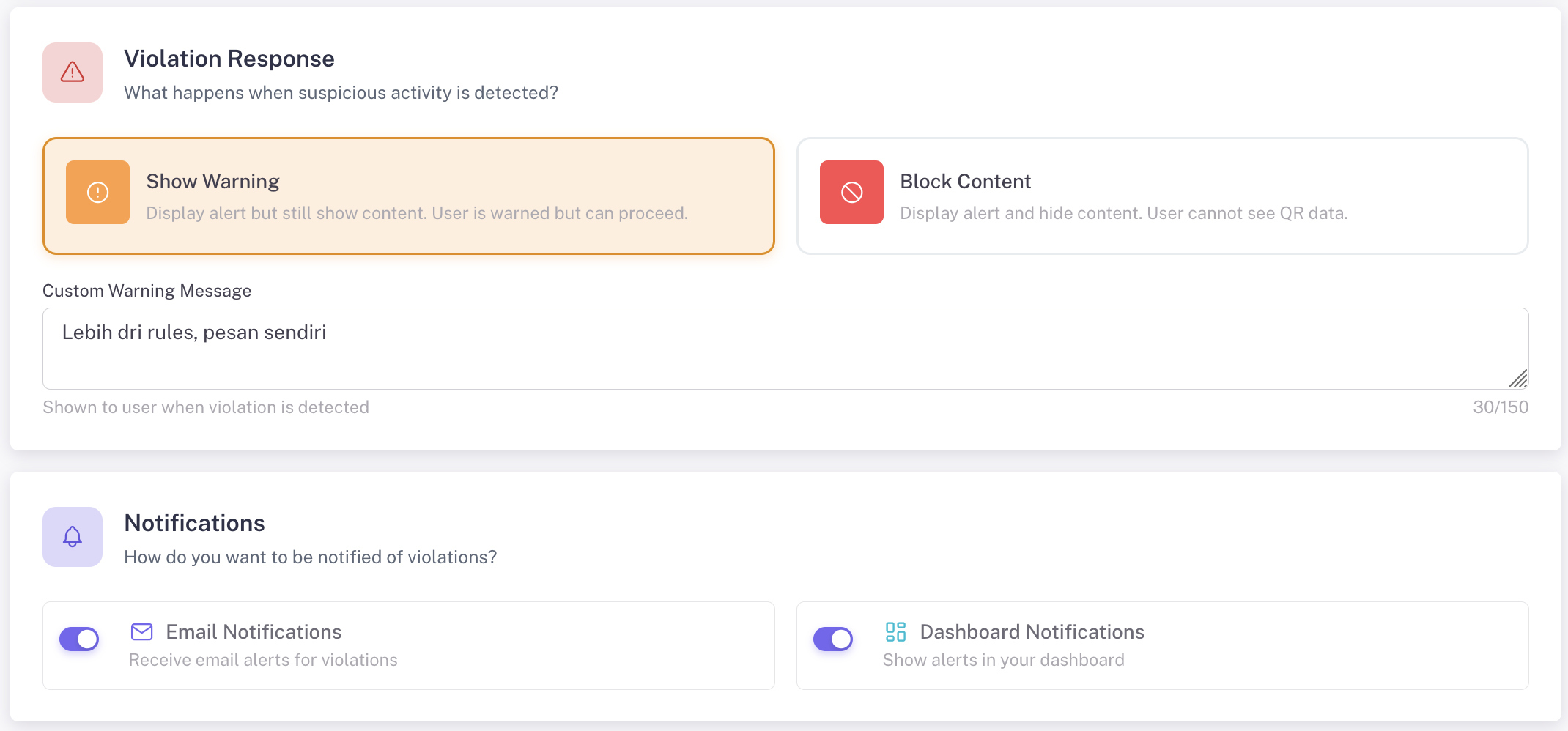
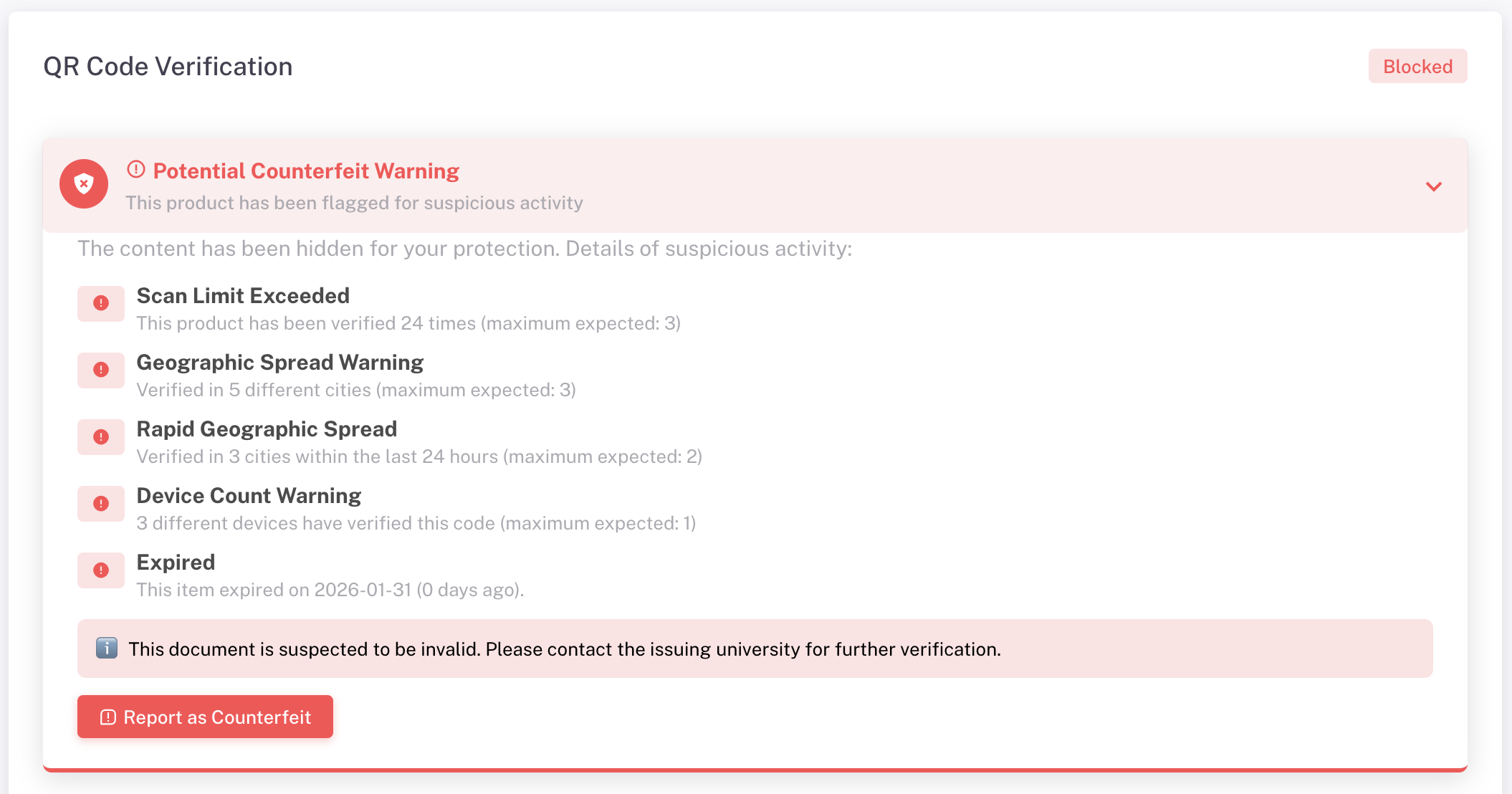
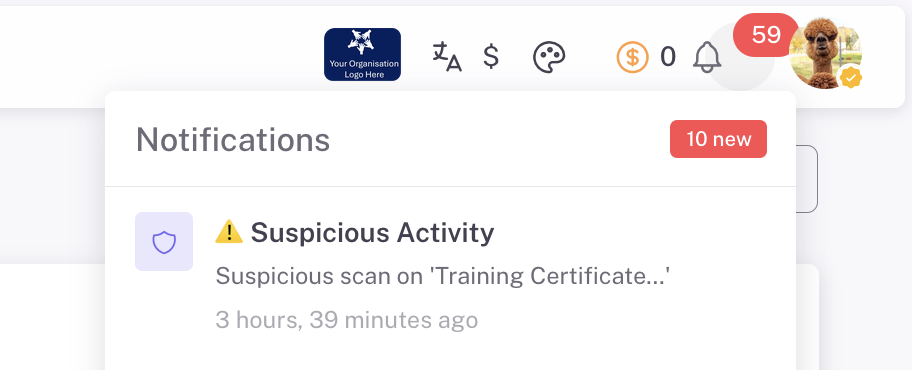
When suspicious patterns are detected, the system immediately displays a warning to the user scanning the document. The custom message may state like this: “Unusual scanning activity detected for this document. Please verify directly with the issuing institution.”
Suitable Use Cases for QR-Based Digital Verification
QR-based digital signatures protected by GoValid Anti-Counterfeit are well suited for various academic documents, including:
Training and course certificates
Diplomas
Letters of reference and official statements
Thesis and dissertation approval pages
Academic certificates and activity records
In short, the Anti-Counterfeit feature is essential for universities and institutions, as it enables early detection of forged diplomas, transcripts, and official documents circulating in the public domain.
Time to Move Toward Safer Digital Verification
Relying on handwritten signatures or scanned images is no longer a secure option in academic environments. By using QR codes connected to a validation system and protected by GoValid Anti-Counterfeit, document authenticity can be verified more reliably, while the risk of signature forgery is significantly reduced.
The forgery of diplomas and academic certificates is not a new issue in Indonesia’s education sector. Unfortunately, this practice continues to occur today. Fake diplomas are often used to apply for jobs, pursue further education, or fulfil administrative requirements.
The impact is significant. Educational institutions risk losing credibility, companies may unknowingly recruit unqualified candidates, and the academic system as a whole becomes vulnerable to misuse.
To address this challenge, GoValid’s Anti-Counterfeit system provides a digital verification mechanism capable of detecting indications of diploma forgery through QR code scan pattern analysis. This allows users to check the authenticity of diplomas and certificates quickly and reliably.
A Real-World Scenario
Imagine an authentic diploma issued with a QR code. For several years, the QR code is scanned only occasionally by the diploma holder or by HR departments during job applications. One day, however, the system detects that the same QR code is scanned in Jakarta in the morning, then in Surabaya less than an hour later, followed by scans in several other cities on the same day.
In this situation, the system immediately flags the activity as physically impossible travel. This strongly indicates that the QR code has been copied and reused on counterfeit documents. As a result, the system automatically displays a warning to users scanning the document, such as: “This document is suspected to be invalid. Please contact the issuing university for further verification.”
At the same time, the issuing institution receives a notification from GoValid, allowing it to take action before the forgery causes wider harm.
Benefits for Universities, Diploma Holders, and External Parties
Implementing the Anti-Counterfeit feature on diplomas provides tangible benefits for multiple stakeholders:
For universities: The Anti-Counterfeit feature plays a crucial role in protecting academic authority and institutional reputation. Universities can detect forgery, duplication, or misuse of diplomas at an early stage, supported by verifiable data for administrative follow-up.
For diploma holders: The system offers additional protection by preventing unauthorised use of their academic credentials, including identity fraud or document misuse.
For external parties: HR departments, certification bodies, government agencies, and higher education institutions can verify diplomas easily and instantly by scanning the QR code, simplifying and accelerating verification processes.
Time to Protect Diplomas with Smarter Digital Verification
Forgery of diplomas and certificates can no longer be prevented using handwritten signatures or institutional stamps alone. In the digital era, protection must also be digital—active, adaptive, and verifiable in real time.
With GoValid Anti-Counterfeit, diploma authenticity can be safeguarded continuously, while any misuse can be detected and addressed at an early stage.
Herbal products are a fast-growing and highly popular business in Indonesia. A survey conducted by the Alodokter app shows that 45% of Indonesians use herbal medicine to treat health conditions. Unfortunately, this popularity also makes herbal products highly vulnerable to counterfeiting.
To address this risk, many herbal brand owners rely on hologram stickers as proof of authenticity. However, in today’s advanced printing era, holograms can be copied and imitated. For this reason, GoValid introduces a more effective solution to detect and prevent counterfeiting through its Anti-Counterfeit feature.
What Is GoValid Anti-Counterfeit?
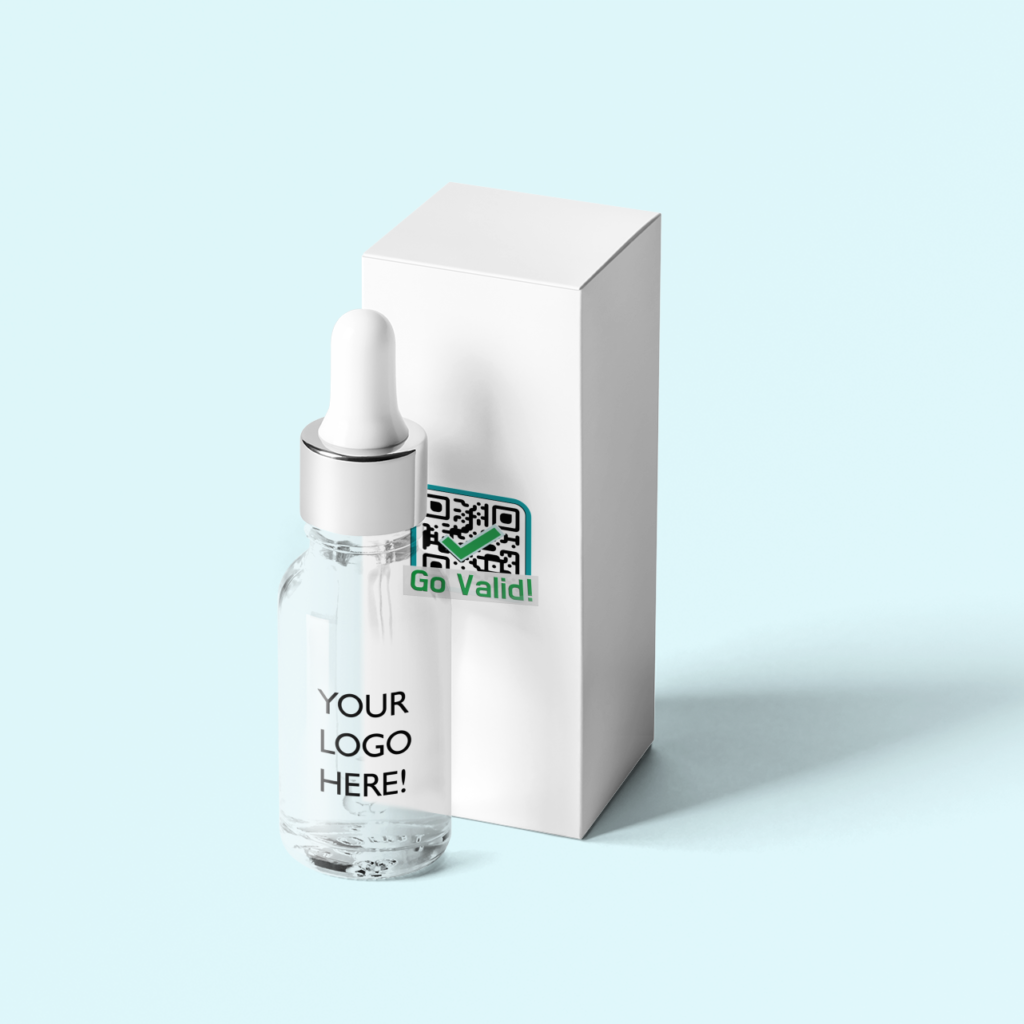
GoValid Anti-Counterfeit is a digital protection system designed to monitor the use of QR codes attached to product packaging. For herbal products, each item is assigned a unique QR code printed on its packaging. This code is connected to the GoValid verification system or the brand’s official website.
When scanned for the first time, consumers receive confirmation that the product they purchased is genuine.
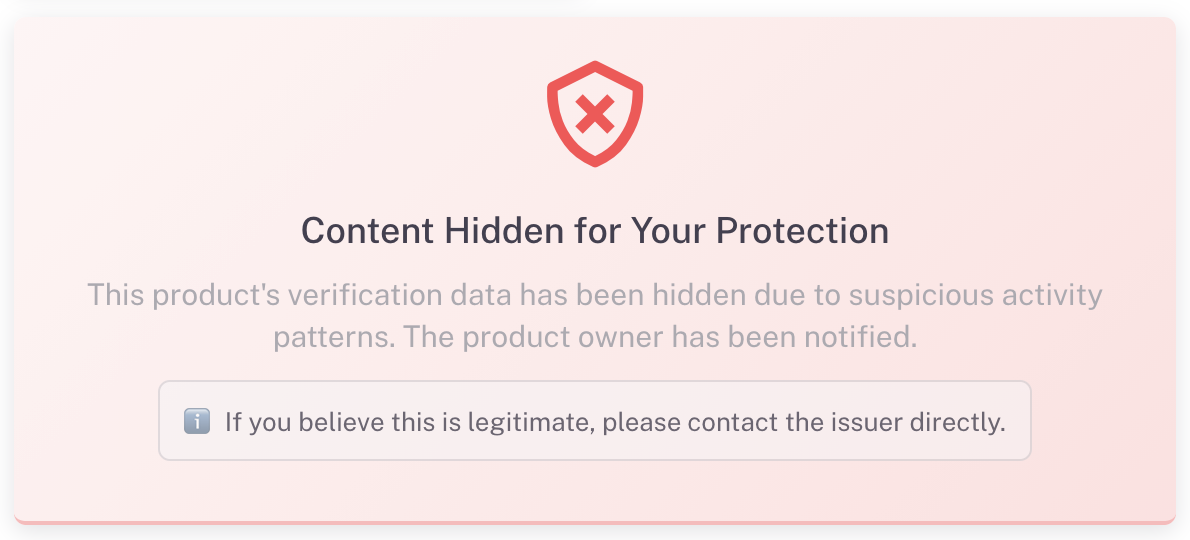
However, when counterfeiters copy a single genuine QR code and place it on multiple fake products, GoValid can detect abnormal scanning behaviour. The system then alerts consumers that the product in their hands may be counterfeit.
How Does It Work?
The system operates in the background using scan-pattern detection algorithms. Below is a simple explanation of how GoValid Anti-Counterfeit protects your products:
1. Unique Product Registration
You generate a unique QR code in the GoValid system and input product information such as ingredients, production date, and production flow. This QR code carries a digital fingerprint that proves the product’s authenticity when scanned.
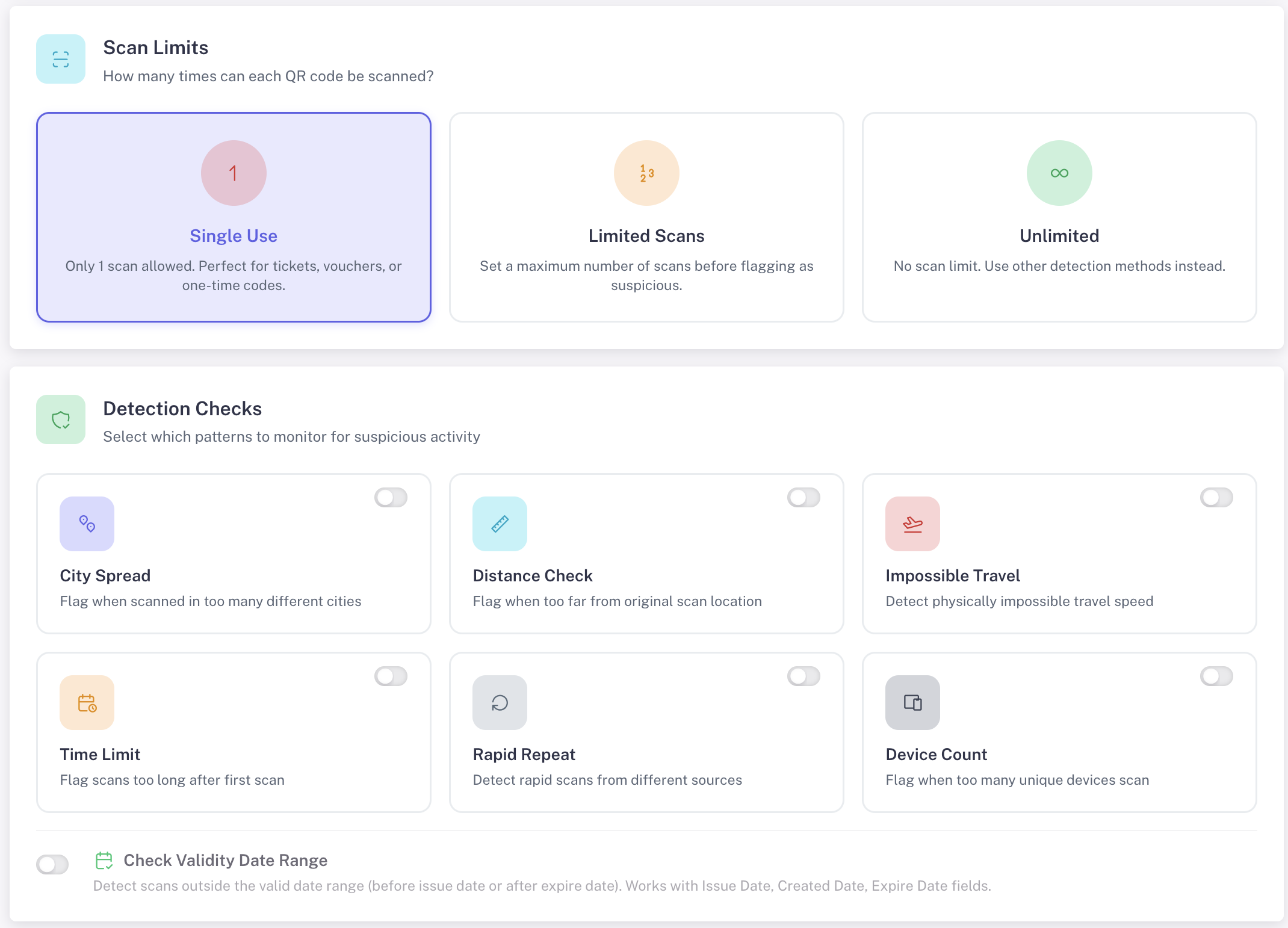
2. Scan Limits and Pattern Rules
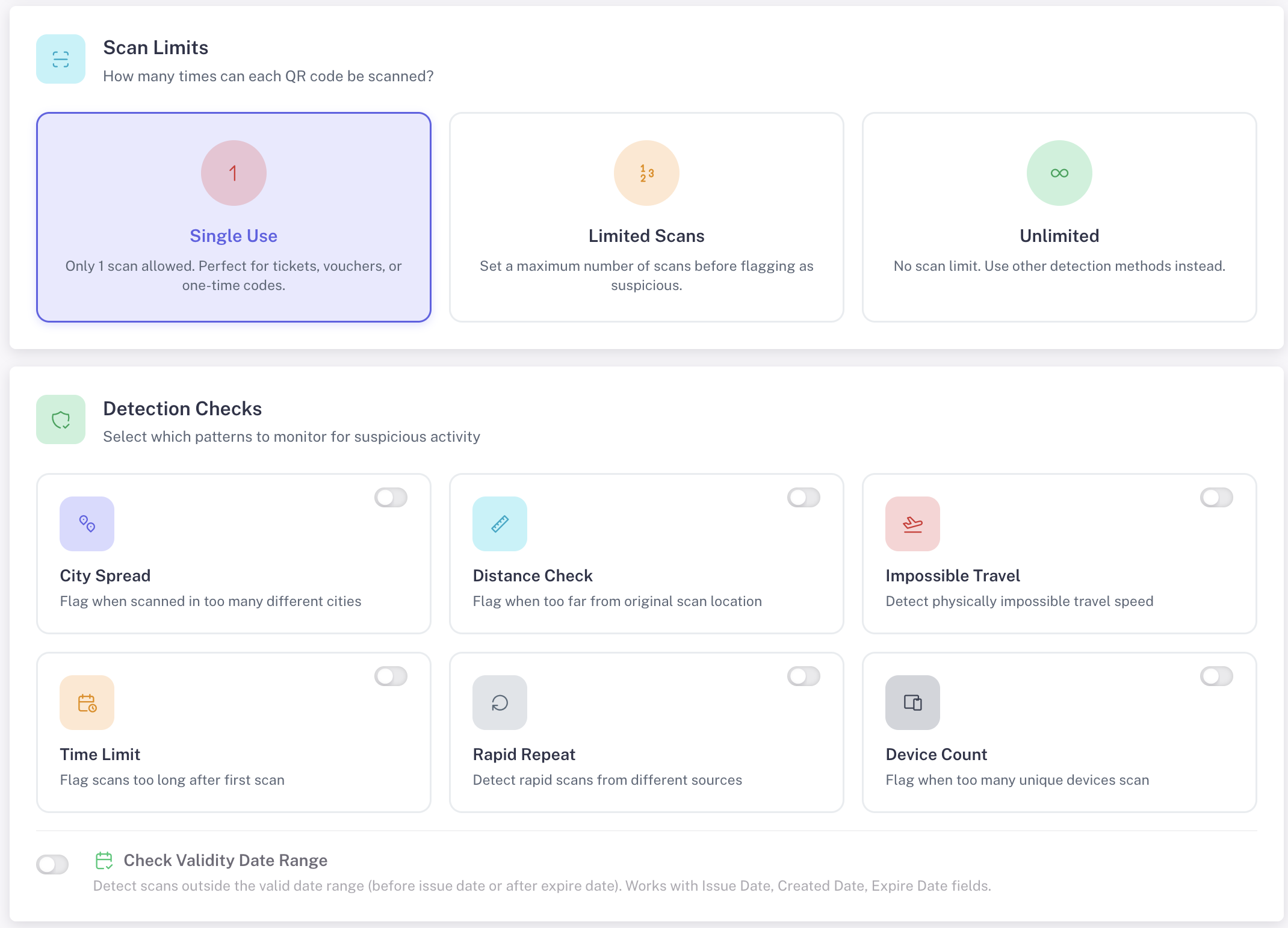
You set scan limits for each QR code, for example a maximum of 3–5 scans. You can also define scan patterns based on location, time, and number of devices.
3. Behaviour Analysis
When a consumer scans the QR code to verify the product, the system analyses the scan context, including:
Location: Is the same QR code scanned in distant cities within a short time?
Frequency: Has the code been scanned beyond the allowed limit?
Devices: Is the code scanned by too many different smartphones?
4. Instant Notifications
Within milliseconds, the system displays the result. If the scan pattern is normal, the consumer receives confirmation that the product is authentic. If irregularities are detected, a yellow or red warning appears on the consumer’s phone, indicating potential counterfeiting. At the same time, the brand owner receives a report via the GoValid dashboard or email.
5. Consumer Reporting
In addition to warnings, GoValid allows consumers to report suspected counterfeit herbal products directly from the scan result page. They can submit information such as purchase date, seller name, and photos of the product packaging. This data helps brands track counterfeit distribution and take swift action to protect other consumers.
Secure Your Products with GoValid Anti-Counterfeit Technology
For herbal products that directly affect human health, relying solely on visual security measures such as holograms is no longer sufficient. With GoValid Anti-Counterfeit technology, brands can detect QR code misuse, prevent the circulation of counterfeit products, and ensure that every product reaching consumers is genuine.







Comments are closed.