

Traceability has become a key requirement for entering international coffee markets. Buyers in developed countries increasingly demand guarantees of quality, transparency, and proof that coffee is produced responsibly. The challenge is that many coffee farmers struggle to document and demonstrate this in a structured way.
C-TRACE GoValid’s digital traceability system is designed to address this gap.
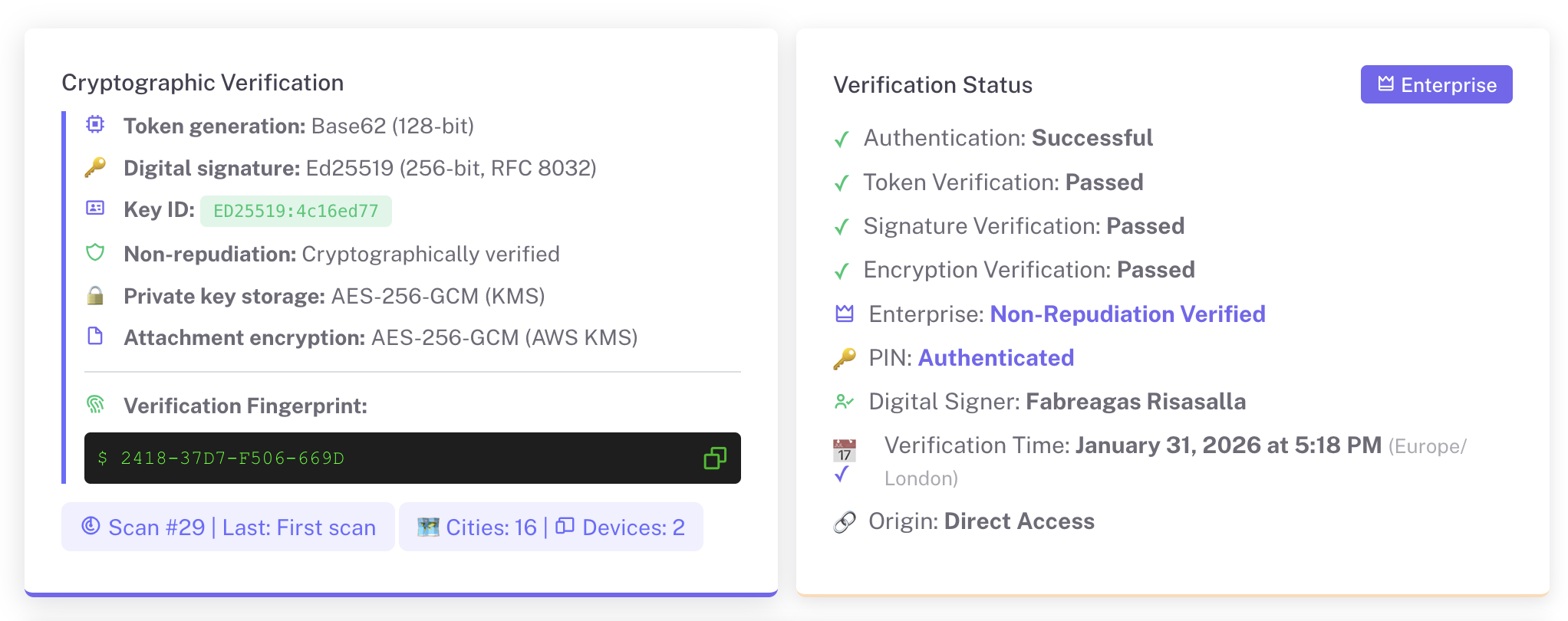
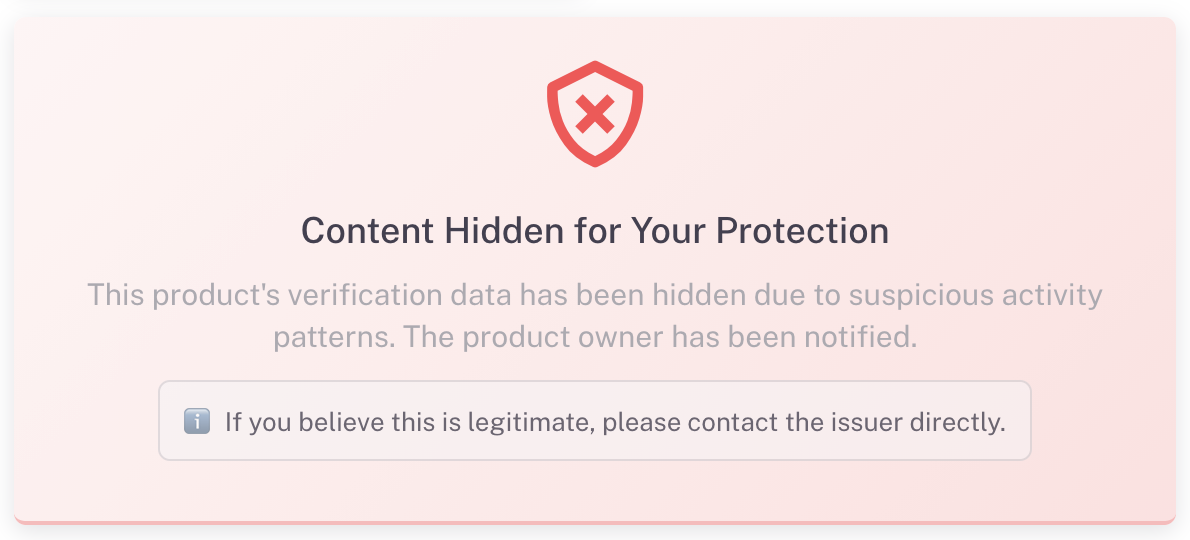
Through a community-based traceability approach, farmers can accurately and systematically demonstrate the origin and journey of their coffee. For international buyers, the process is simple: they scan a QR code, and all relevant information appears instantly on their mobile screen. Let us explore how C-TRACE helps Indonesian coffee farmers access global markets through a robust and reliable traceability system.
Why Traceability Matters in the Global Coffee Trade
Traceability has now become a mandatory operational standard in global coffee trade. For example, the European Union has introduced the European Union Deforestation Regulation (EUDR), which requires coffee products entering the EU market to prove that they are not sourced from land deforested after December 2020.
Beyond regulation, modern coffee consumers are also becoming more discerning. They want to know where their coffee comes from and how it was harvested, processed, and packaged. Quality assurance is equally important, especially given the prevalence of lower-grade coffee being mixed and sold as premium products.
The Role of C-TRACE in Supporting Coffee Farmers
C-TRACE is GoValid’s Community Traceability system, designed to track product journeys from source to consumer. In the context of coffee, C-TRACE records the entire value chain of coffee beans in a sequential and verifiable manner, from harvest to shipment.
What sets C-TRACE apart is its multi-stakeholder approach, involving farmers, processing operators, roasteries, and distribution partners.
Each stage must be recorded in sequence and cannot be skipped. This core feature ensures transparency and builds consumer trust in product quality. Every step is also supported by photographic evidence to verify its authenticity.
C-TRACE Workflow for Coffee Farmers
Below is an overview of how C-TRACE is used by coffee farmers and their supporting communities:
- Batch Grouping
Coffee is grouped into specific batches to ensure that processes and quality can be traced precisely without mixing with other batches. - Harvest Recording
Farmers record basic harvest information in C-TRACE, including harvest date, volume or weight of coffee cherries, and GPS location of the farm. - Cherry Sorting
Quality controllers record cherry selection results and the quality standards applied. - Pulping
Selected cherries are processed to remove the outer skin. Operators record the pulping method, date and time, processed volume, and other key details. - Fermentation
Fermentation officers record the volume of coffee fermented and the duration of fermentation. - Washing
After fermentation, beans are washed. Operators record washing time, method, and bean condition after washing. - Drying
Drying methods (sun-drying or mechanical drying), drying duration, and estimated final moisture content are recorded. - Milling
Mill operators record the milling date and final output volume. - Quality Inspection
Testers record cupping results, quality scores, and detailed flavour and aroma notes. - Packaging
Operators record packaging type, weight per package, and packaging date. - Storage & Shipment
Warehouse managers record storage location, shipment date, and shipment destination.
How Consumers Access Traceability via QR Code
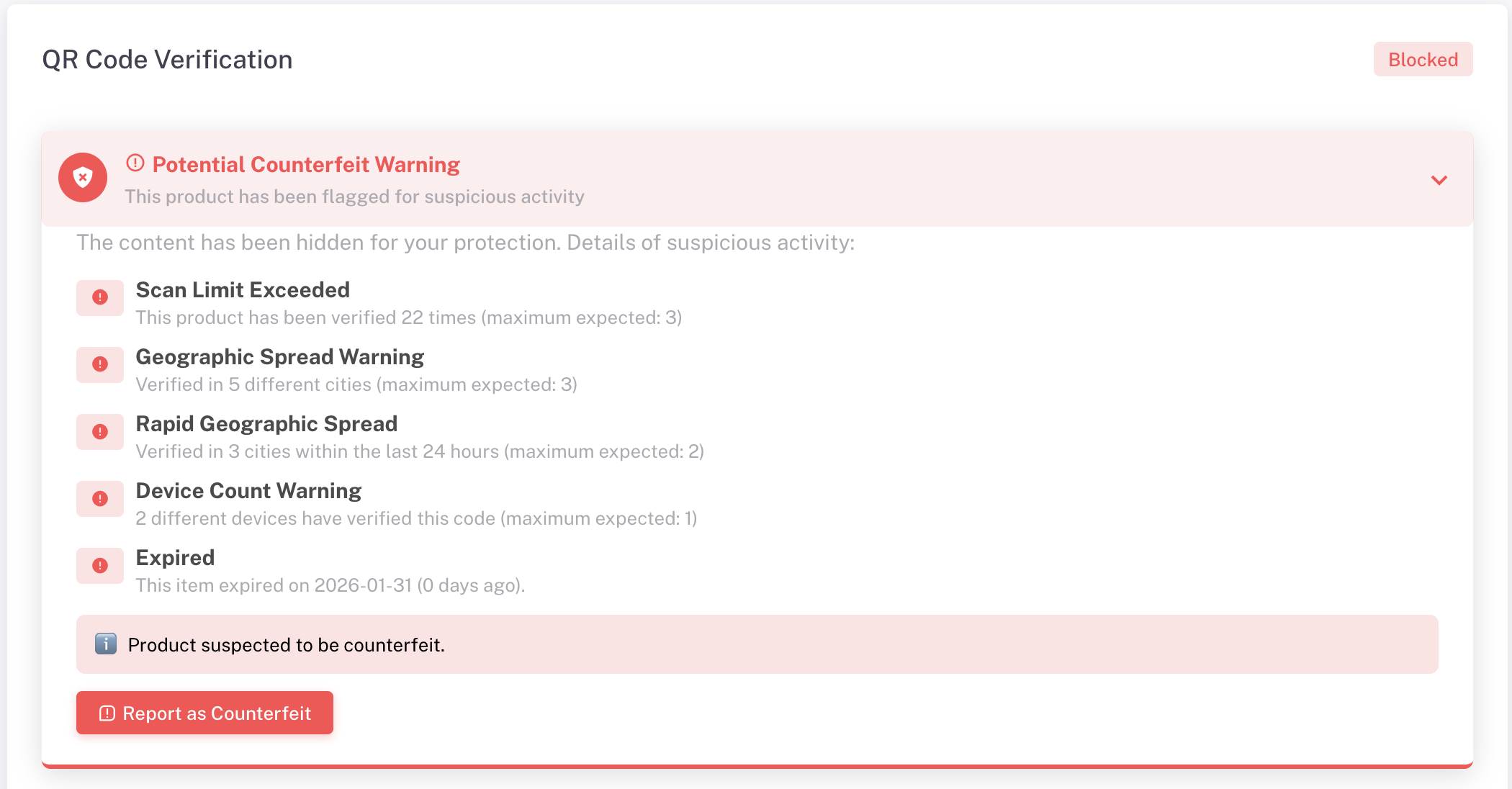
For international consumers, the process is straightforward. By scanning the QR code on the coffee packaging, they gain access not only to product information, but to the full story behind the coffee.
They can view the number of farmers contributing to a batch, individual farmer names and harvest volumes, interactive maps showing farm locations, and photos from each pre-batch stage.
This transparency reassures consumers that the coffee they purchase comes from real, traceable sources—significantly strengthening trust in the product.
Economic Benefits for Coffee Farmers
By shifting from manual record-keeping to a digital system like C-TRACE GoValid, farmers move from being passive actors in the supply chain to empowered business partners. Key benefits include:
- Broader market access: Farmers can sell to importers that require traceability compliance.
- Higher selling prices: International specialty coffee markets are willing to pay premiums for products with verified origin data.
- Reduced export rejection risk: Early and complete traceability data helps prevent export failures.
- Protection from middleman manipulation: Time-stamped digital records provide strong evidence of actual production volumes, reducing risks of price or weight manipulation.
- Direct trade opportunities: Traceability enables direct trade between international roasteries and farmer cooperatives, allowing margins to flow back to farmers rather than intermediaries.
- Efficiency and long-term evaluation: Digital records allow farmers to assess performance year-to-year, identify effective practices, and continuously improve quality.
Ready to Reach Global Markets with C-TRACE GoValid?
Entering global markets is not only about producing high-quality coffee—it is about proving it. Traceability serves as a critical bridge between local farmers and international buyers.
Through C-TRACE GoValid, coffee farmers can build transparent, credible, and market-ready track records. The system enables farmers not just to sell coffee, but to sell trust. For those seeking to upgrade their position and reach global markets, C-TRACE offers a strategic starting point for that journey.












Comments are closed.